healti white
About
Resources
Hospitals
Doctors
Treatments Cost
Get Assistance
Modern Treatments
Ayurveda Treatments
Best Doctors In India
Best Hospitals In India

Allogeneic Bone Marrow Transplant in India

Allogeneic Bone Marrow Transplant in India

An allogeneic bone marrow transplant is one of the most advanced treatments available for Blood Cancers and other blood disorders. While it may sound complex, the idea behind it is quite simple: replacing damaged or unhealthy bone marrow with healthy stem cells from a donor so the body can start making normal blood cells again.
This treatment has helped patients who are suffering Blood Cancers, Leukaemia, Lymphomas, Sickle Cell disease, Aplastic Anaemia and thalassemia amongst others. Patients from all over the world are traveling to India for high-quality and cost-effective Bone Marrow Transplant.?

What Is an Allogeneic Bone Marrow Transplant?

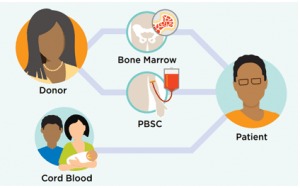
An allogeneic bone marrow transplant is a medical procedure where stem cells or Bone Marrow is taken from a healthy donor and transplanted in a patient who is suffering from the blood disorder. These stem cells help rebuild the patient’s bone marrow, which is responsible for producing blood cells like:

  • Red blood cells (carry oxygen)
  • White blood cells (fight infections)
  • Platelets (help with clotting)

In many diseases, such as leukemia, lymphoma, aplastic anemia, and thalassemia, the bone marrow does not function properly. An allogeneic transplant replaces the damaged or diseased marrow with healthy stem cells from another person.

Who Can Be a Donor for Allogenic Bone Marrow Transplant?

The donor must be a close match to the patient’s tissue type (HLA match). In almost all cases a perfect match is a biological sibling who shares the common DNA that is has the same biological parent. As the DNA in the siblings is same, the chances of them being a perfect match is highest, though not necessarily.

To make sure that the donor is a good match, we do High Resolution HLA tests for the patient and the donor to see if they are matching. Doctors carefully test and select the most suitable donor to reduce complications.

What happens if there is no matching sibling?

In case, there is no sibling or if the sibling is not a perfect match, then the doctors choose the next nearest match. These donors can be mothers, fathers or less matched siblings. The Bone Marrow Transplant in this case is called a Half-matched Bone Marrow Transplant or a Haplo-Identical Bone Marrow Transplant.

What is a Half-matched Bone Marrow Transplant or a Haplo-Identical Bone Marrow Transplant?

A half-matched Bone Marrow Transplant or a Haplo-identical Bone Marrow transplant is when the stem cells or Bone Marrow is not taken from a full matched sibling. Instead, it is taken from a donor which has half the DNA matching such as mothers, fathers, less matched siblings or sons and daughters.

Is Half Matched Bone Marrow risky procedure? 

Thought a Haplo-Identical Bone Marrow is not risky, the patient may face GVHD (Graft V/s host diseases) during the transplant. These may include fever, diarrhoea, vomiting or even a graft failure in extreme cases.

Who Can Benefit from an Allogeneic Bone Marrow Transplant?

An allogeneic bone marrow transplant is often the most effective and, in many cases, the only curative treatment for several serious blood disorders, cancers, and genetic conditions. Doctors in leading hospitals across India regularly perform this procedure with high success rates, especially when done at the right time. These cancers may be Blood Cancers, Leukaemia, Lymphomas, Sickle Cell disease, Aplastic Anaemia and thalassemia etc.

This Treatment is commonly used for:

1. Leukaemia (ALL, AML, CML, CLL):
Leukemia is a type of blood cancer that affects the bone marrow and white blood cells. When chemotherapy alone does not provide lasting results, an allogenic transplant can replace the diseased marrow and offer a potential cure. These can be Acute Lymphoblastic Leukaemia, Acute Myeloid Leukaemia, Chronic Myeloid Leukemia, Chronic lymphocytic leukemia, Sickle Cell disease etc.

2. Severe Aplastic Anemia:
In this condition, the bone marrow fails to produce enough blood cells, leading to fatigue, infections, and bleeding risks. A transplant introduces healthy donor stem cells, helping the body resume normal blood cell production.

3. Thalassemia Major:
This inherited blood disorder is commonly seen in children and requires frequent blood transfusions. An allogenic BMT is currently the only permanent cure, and outcomes are especially good when performed early in life.

4. Sickle Cell Disease:
A genetic disorder that causes abnormal red blood cells, leading to severe pain episodes and organ damage. In selected patients, a matched donor transplant can cure the disease and significantly improve quality of life.

5. Lymphomas (Hodgkin’s and Non-Hodgkin’s):
These cancers affect the lymphatic system. If the disease comes back after treatment or does not respond well to standard therapies, an allogenic bone marrow transplant can help achieve long-term remission through the donor’s immune system.

6. Myelodysplastic Syndromes (MDS):
MDS is a condition where the bone marrow produces abnormal blood cells and may progress to leukemia. A transplant replaces the unhealthy marrow with healthy donor cells, reducing the risk of progression.

7. Genetic Bone Marrow Failure Syndromes:
Certain inherited conditions, such as Fanconi anemia, congenital neutropenia, and severe combined immunodeficiency (SCID), affect blood cell production or immune function. Early allogenic bone marrow transplantation in India can be lifesaving and, in many cases, curative.

What is the Process for Allogeneic Bone Marrow Transplant?

Understanding the journey step by step can make the process feel less overwhelming. Here’s how it usually works:

1. Pre-Transplant Evaluation

Before the transplant begins, both the patient and the donor go through a series of detailed tests. This stage ensures that everything is safe and well-planned.
Tests may include:

  • Blood tests and HLA typing for matching
  • Heartlungliver, and kidney function tests
  • Bone marrow examination
  • Screening for infections like hepatitis and HIV

Doctors use these results to confirm that the patient is fit for transplant and to finalize the best donor option.

2. Donor Preparation

Once a suitable donor is identified, they are prepared for stem cell donation. In most cases, the donor is given injections for a few days to increase the number of stem cells in their bloodstream.
The collection process is usually simple and safe. Stem cells are taken from the blood using a machine, similar to blood donation. In some cases, they may be collected directly from the bone marrow under anesthesia.

3. Conditioning Therapy

This is an important step where the patient receives high-dose chemotherapy, with or without radiation.
The goals of conditioning are:

  • To destroy any remaining disease
  • To suppress the immune system so the body accepts the donor cells
  • To create space in the bone marrow for new cells

During this phase, patients may feel tired and experience side effects like nausea or low immunity, but the transplant team manages these carefully.

4. Stem Cell Infusion (Transplant Day)

This is often called “Day 0” of the transplant journey. The collected stem cells are infused into the patient through a vein, just like a blood transfusion. The procedure itself is painless and usually takes a couple of hours. There is no surgery involved.

5. Engraftment and Early Recovery

After the infusion, the new stem cells travel to the bone marrow and begin growing. This process is called engraftment.
It usually takes around 2 to 4 weeks for the new cells to start producing healthy blood cells. During this time:

  • The patient’s immunity is very low
  • There is a higher risk of infections
  • Close monitoring is required

Patients are often kept in specialized, infection-controlled rooms. Doctors regularly check blood counts and watch for any complications.

6. Discharge and Follow-Up Care

Once the blood counts improve and the patient is stable, they can be discharged from the hospital. However, recovery continues for several months.
Follow-up care includes:

  • Regular doctor visits
  • Blood tests and sometimes bone marrow tests
  • Medicines to prevent infection and control immune reactions
  • Nutritional support and gradual physical recovery

The first 100 days after transplant are especially important, but with proper care, most patients steadily return to normal life.

Why Choose Allogeneic Bone Marrow Transplantation in India?

Allogeneic bone marrow transplantations in India have helped many patients, with overall success rates often ranging between 60% and 85%. In some leading hospitals, outcomes for patients with well-matched donors may be around 75% to 84%.

It’s important to understand that these numbers are general estimates. Your individual outcome can vary based on several key factors, including:

  • The type and stage of your disease
  • How closely the donor matches your tissue type
  • Your overall health and response to treatment

Every patient’s situation is unique, so your doctor will guide you with a more personalized outlook.

Like any major medical treatment, a BMT also carries risks. These can include infections, rejection of the donor cells, or a condition called graft-versus-host disease. Careful monitoring, medications, and follow-up care are essential parts of recovery and long-term success.

Many international patients choose India for its experienced medical experts, technology and relatively affordable treatment options. However, it’s important to plan for travel, accommodation, and extended follow-up visits, as recovery may take several months and ongoing care is often needed.

Speaking with a qualified transplant specialist will help you understand your specific case, expected outcomes, and the best path forward for your health. If you or your loved one is considering a bone marrow transplant, understanding the process is the first step toward making informed and confident decisions.

What is the cost of Allogenic Bone Marrow Transplant in India?

The cost of Allogenic Bone Marrow Transplant in India may range from $23000 to $28000 depending upon hospital chosen.

The cost of Half Matched Bone Marrow Transplant in India may range from $29000 to $36000 depending upon the hospital chosen.

What happens when a patient may not have full matched or a half-matched donor or if the matching donor is not healthy?

In cases, where a patient may not have a matching donor or if the donor in the family is not in a position to donate, we can go for stem cell banks or bone marrow banks available globally. In such cases, a high-resolution HLA is sent across all Bone Marrow banks world over and the most matching Bone Marrow is extracted and shipped to the treating hospital. The doctors then, use this Bone Marrow Transplant. This is called full matched unrelated Bone Marrow Transplant.

The cost of registration and extraction of this Bone Marrow mat range between $28000 to $32000., taking the total cost of Bone Marrow Transplant to between $50000 and $70000.

Top Doctors of Bone Marrow Transplant : Click Here

  • Get Free Consultation

  • Treatment pages (#7)

  • Top Treatments

  • Get Allogeneic Bone Marrow Transplant in India
    hbgfoot logo
    healthians logo
    mumbai
    MUMBAI

    kenya
    KENYA
    Muthithi Road 18 Westlands, Kenya

    POPULAR KEYWORDS

    Contact UsWhatsApp
    magnifiercrossmenuchevron-down linkedin facebook pinterest youtube rss twitter instagram facebook-blank rss-blank linkedin-blank pinterest youtube twitter instagram